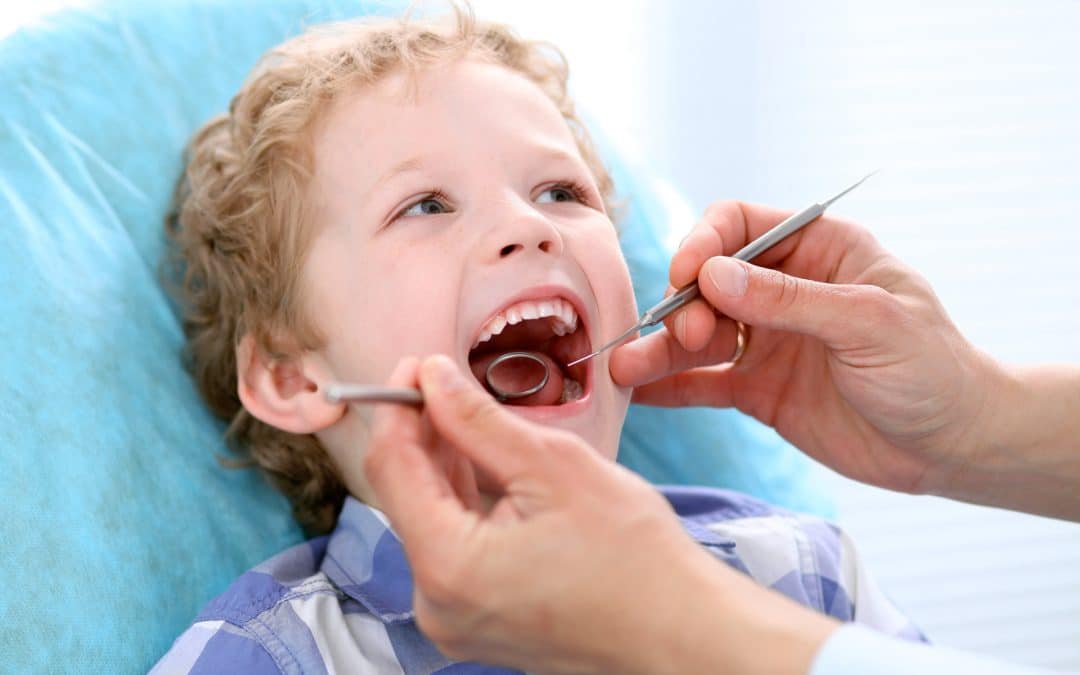
A little tenderness after a filling, crown, or extraction is normal, and in most cases it fades within a few days with a few simple steps at home: an appropriate over-the-counter pain reliever, a soft-food diet, and a calm, restful environment. At Pediatric Dentistry...
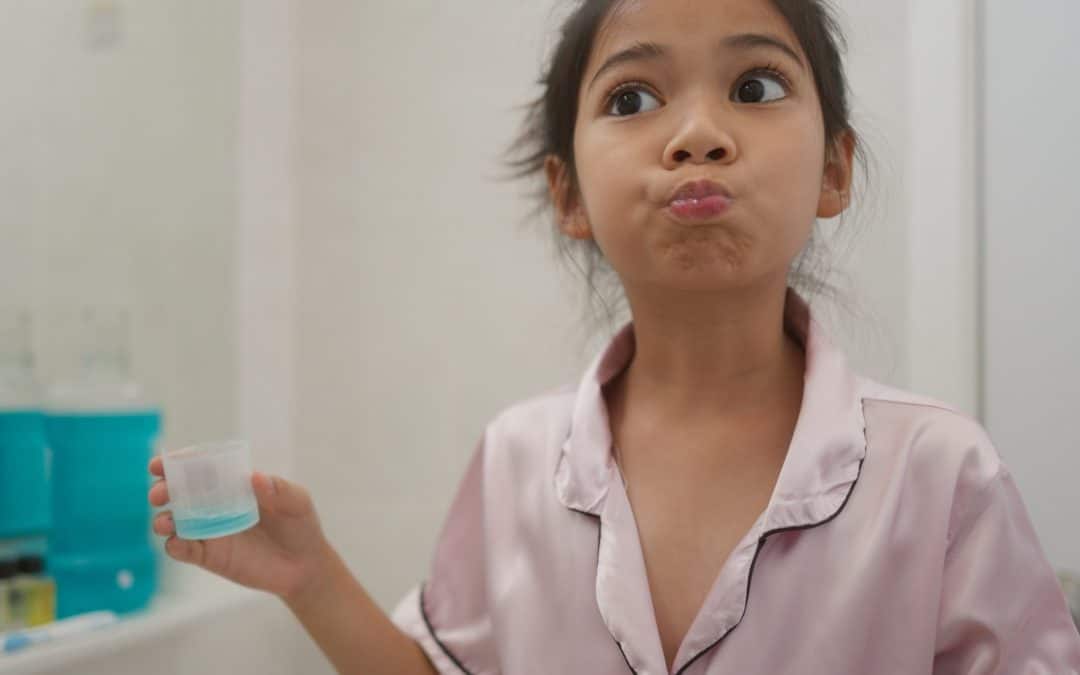
Most children are ready to start using mouthwash around age 6, once they can reliably swish liquid around their mouth and spit it into a sink instead of swallowing it. Before that age, a child’s motor control and swallowing reflex usually are not developed...
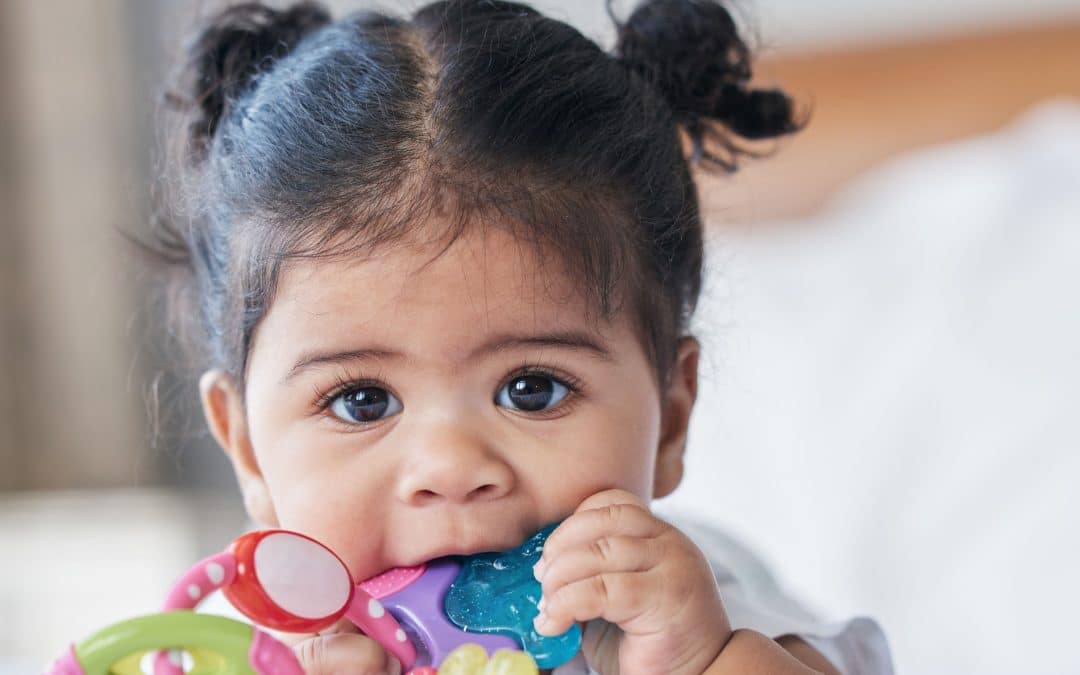
Watching your baby’s first tooth break through the gums is exciting, but it also brings a lot of questions. At Pediatric Dentistry on Kimball in Brooklyn, NY, parents ask us almost daily what a typical baby teething timeline looks like and how to tell normal...
A baby’s mouth needs care long before the first tooth ever appears. Wiping the gums daily, starting the day you bring your baby home, clears away milk residue and bacteria and builds a routine that carries straight through to toothbrushing. Dr. Lionel Vera, a...
The first signs of tooth decay in a toddler are usually small white or chalky spots along the gumline, followed by discoloration that darkens to yellow, brown, or black if the decay is left untreated. Because these changes can be easy to miss during a quick brushing...
When your child needs dental treatment, it is natural to have questions, especially if general anesthesia is part of the conversation. Parents want to know why it may be recommended, whether it is safe, what the appointment involves, and how to make the right decision...